
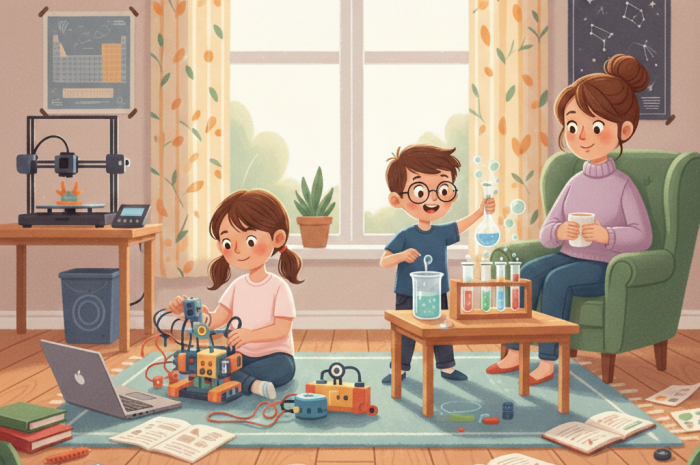
As children move past the early years their play changes. Most children start to become interested in making models and are usually interested in how things work, move or change.
This is a great time to start making with your children.
Don’t panic, you don’t need to be an expert model maker or robotics programmer!
Age 6/7 onwards is a great time to start introducing STEM kits.
What is STEM? STEM stands for Science, Technology, Engineering and Maths. The acronym is used to refer to kits and subjects that deal with anything related to those 4 areas of education or learning. As a parent or carer you may well have a job in a STEM field.
So where or how do you start with STEM kits and how do you know which ones are good for your child?
With so many available to buy and at so many differing levels, its not always easy.
Here are some of the types that I would recommend starting with:
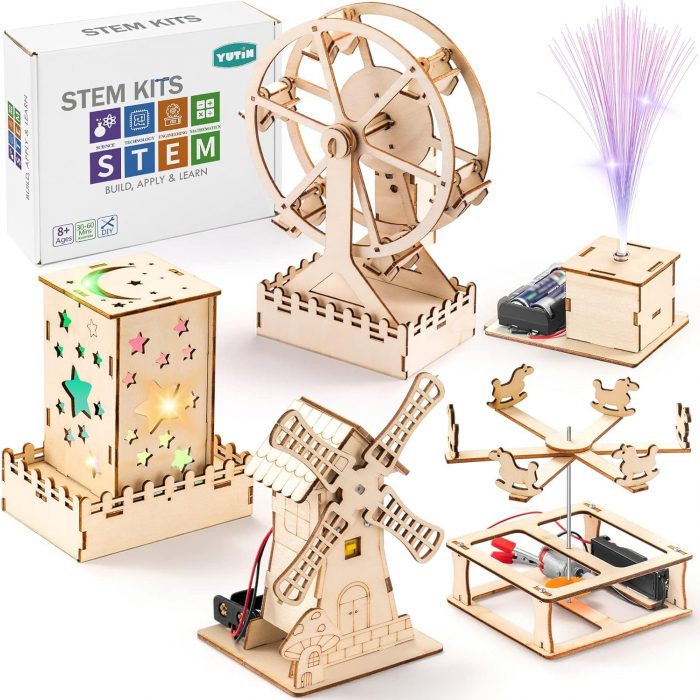
Initially simple model making is a great way to gauge your child’s interest without spending a fortune.
Many online shops have basic wooden building kits that are less than £10.
These type of kits are a great way to introduce the concept of using specific pieces in specific places and the idea of following instructions to build something.
I particularly like the wooden kits as they can be painted after which allows for lots of personalisation.
When you feel something slightly more challenging would be appropriate there are a range of physics kits where your child can build basic circuits by connecting together with large blocks.
I recently came across the logiblocks doorbell kit for around £10 (the kids will annoy you with the constant beeping, sorry, not sorry 🤣)
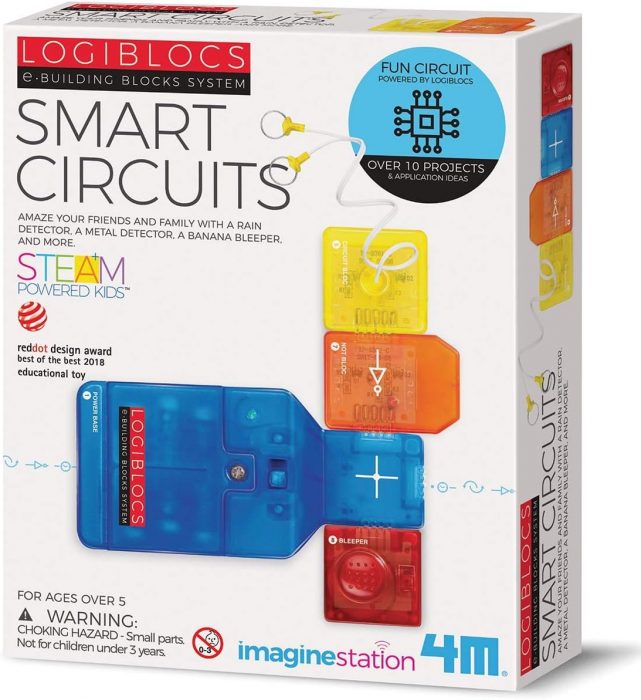
For the price they are reasonable and introduce basic concepts. Also kits like this are not too messy and easy for children to snap together. You can do it with them or leave them to it.
As your children get more skilled and a bit older I would recommend something more open ended where your child can learn to design and build from a choice of things or something they think of themselves.
One of the obvious choices here is a robotics building kit. There is a massive range available to buy now from screenless programmable robots to full kits that require building the robot and programming via a laptop or tablet.
Here are some examples:
VEX IQ
I used to teach extensively with this and it works great for children aged 7 to 18+ as you can build lots of different models and program it in basic scratch and actual programming languages like python.
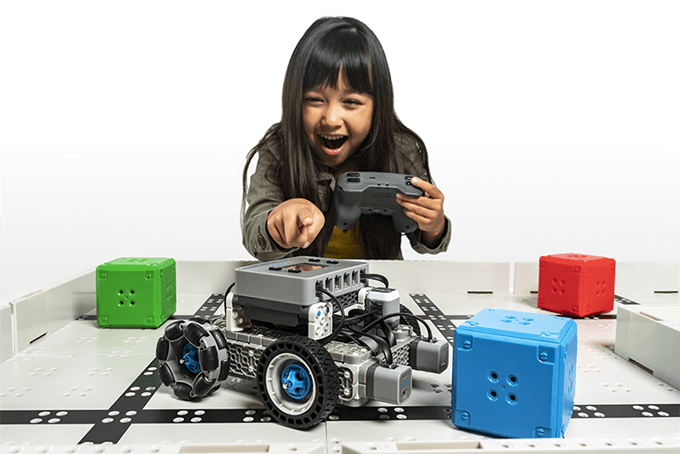
Of course kits like those are an investment, starting prices are around £250/£300. Make sure you have the space and adequate storage and that your children are good with tidying away and looking after things before purchasing something like this.
Robot Jack/Bee Bots
If you want to start with something simpler, these are some good alternatives which introduce programming concepts:
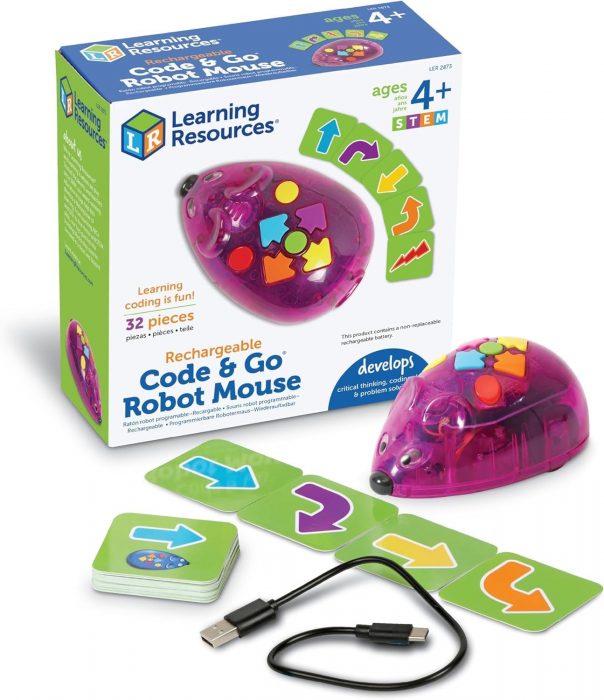
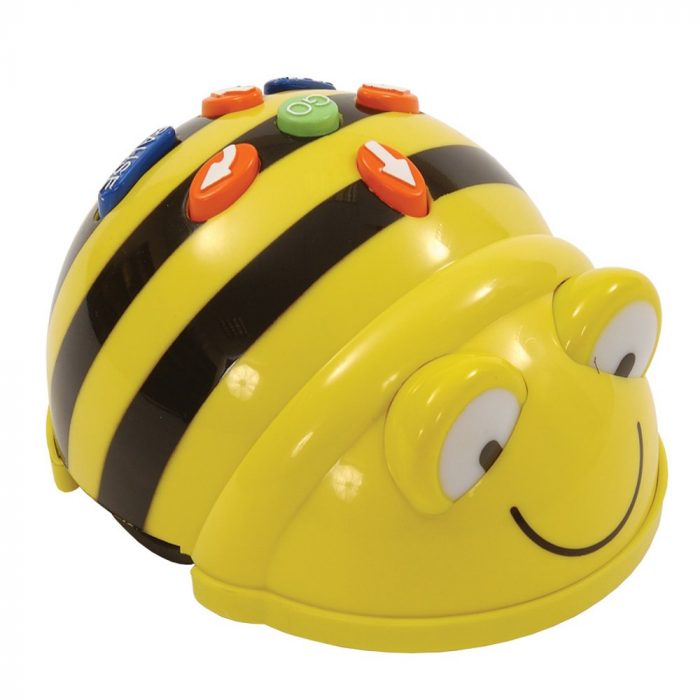
I know there are lots more on the market, but I will have to do a separate post or two on all the options!
In summary I would suggest starting with small, lower priced options and see how your children get on. When and if you feel they would be interested in something more substantial invest in a kit that will last and challenge them for a few years.
Heading: The benefits of open ended stem/robotics
So why is it worth buying these kinds of kits and introducing your children to idea of making?
Firstly things are shifting, we are becoming more aware of the dangers of consumerism. Teaching your children about the benefits of making and looking after things is important.
We are designed to use our hands and curiosity. Whilst reading and writing is of course the foundation for learning, so too is the idea of experimenting and creating new things.
Not everyone can learn easily from a textbook or theory based lessons.
Immersive learning offers numerous benefits for both children and adults.
Here are some of them:
- Keeps the curiosity and the fun aspect in learning
- Allows children to make mistakes and learn by doing
- Not having instructions for everything makes them better problem solvers
- Stem kits can be completed in a team, group or individually thus building different interpersonal and social skills
- When using kits and building things children are encouraged to try new things and come up with new ideas
- These types of kits combine different topics designing, building, programming, evaluating, improving
- Project based learning helps children to take ownership of their learning and pride in the things they have made
I hope this has been useful so far. This is an extensive topic and I have tried to summarise it here. If you feel I have missed anything that should be included, kindly let me know in the comments below!
Comments